
For Some Students, Winter Break Isn’t a Break
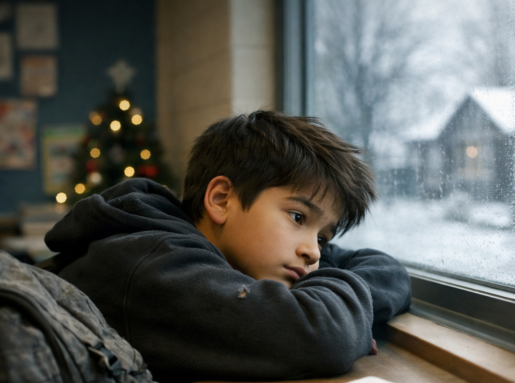
For many students, winter break is pictured as rest, warmth, and celebration. But for others, it marks the loss of routine, safety, and connection.
School is more than a place of learning. For countless young people, it is the most stable environment in their lives. It is where they know what to expect, who will see them, and which adult will notice if something feels off. When that structure disappears, the stress they’ve been holding quietly all semester can surface.
For some students, winter break isn’t a break at all—it’s survival mode.
When Routine Disappears, Anxiety Rises
Students who have experienced trauma often rely on predictability to feel safe. The daily rhythm of school—arrival times, familiar faces, consistent expectations—acts as a regulating force on their nervous system.
When winter break arrives, that structure vanishes overnight.
Without it, students may experience heightened anxiety, irritability, sleep disruption, or emotional withdrawal. Behaviors that show up in December classrooms are often less about defiance and more about fear of what’s coming next.
Home Is Not Always a Safe Place
While the holidays are often framed as family-centered, not every student experiences home as a place of comfort.
Some students return to environments marked by instability, conflict, food insecurity, or housing uncertainty. Others may feel the weight of grief, loss, or isolation more intensely during a season that emphasizes togetherness.
For students experiencing homelessness, winter break can mean increased displacement, limited access to meals, and fewer safe places to go during the day. The challenges they face don’t pause just because the calendar says school is closed.
The Adults Students Miss the Most
One of the hardest parts of winter break for vulnerable students is the absence of trusted adults.
Teachers, counselors, bus drivers, campus monitors—these relationships matter more than we often realize. For some students, school staff are the only adults who consistently listen, encourage, and notice them.
When those connections temporarily disappear, students can feel unseen and alone at the exact moment they need support the most.
What Schools Can Do Before Winter Break
Supporting students during this time doesn’t require grand gestures. Small, intentional actions can have a lasting impact:
- Acknowledge the reality. Let students know it’s okay if the holidays feel hard.
- Prioritize connection over content. A meaningful check-in can matter more than another lesson.
- Offer predictability. Clearly communicate schedules, expectations, and return dates.
- Share resources discreetly. Ensure students and families know where to access food, housing, and community support during the break.
- End with encouragement. Remind students they matter and that you look forward to seeing them again.
These moments of care often become the ones students remember long after the break ends.
Why Showing Up in December Matters
The way schools approach December sends a powerful message. When we respond with patience, empathy, and understanding, we show students that their worth isn’t seasonal.
For some, winter break will be joyful. For others, it will be heavy. Our role isn’t to assume—it’s to stay present, grounded, and human.
Because for the students who need it most, knowing that someone is thinking about them—even when school is closed—can make all the difference.